Anti-Inflammatory Foods List: A Comprehensive Guide (PDF Focus)
Discover a detailed PDF guide outlining potent anti-inflammatory foods, including berries, sweet potatoes, and leafy greens, for optimal health and disease prevention.
Explore resources detailing how to integrate these foods into your daily routine, combating inflammation and promoting overall wellness through dietary choices.
Understanding Inflammation: Acute vs. Chronic
Inflammation is a natural bodily response to injury or infection, a crucial part of the healing process. Acute inflammation is short-lived, characterized by redness, swelling, heat, and pain – think of a sprained ankle or a common cold. It’s the body’s immediate defense, quickly resolving once the threat is neutralized.
Chronic inflammation, however, is a different story. It’s a prolonged, low-grade inflammatory response that can last months or even years. Unlike its acute counterpart, chronic inflammation doesn’t simply disappear; it can silently damage healthy tissues and contribute to the development of serious diseases like heart disease, arthritis, and even some cancers.
Recognizing the distinction is vital. While acute inflammation is beneficial, unchecked chronic inflammation is detrimental. An anti-inflammatory diet, rich in specific foods, aims to manage and mitigate this persistent inflammatory state, promoting long-term health and well-being.
The Role of Diet in Inflammation
Diet plays a pivotal role in modulating inflammation within the body. Certain foods actively promote inflammation – these are often highly processed foods, sugary drinks, and excessive amounts of red meat. Conversely, a wealth of foods possess potent anti-inflammatory properties, capable of calming the body’s inflammatory response;
An anti-inflammatory diet isn’t about deprivation; it’s about prioritizing nutrient-rich foods. Focusing on fruits, vegetables, whole grains, healthy fats, and lean proteins provides the building blocks for reducing inflammation. These foods are packed with antioxidants and phytonutrients that combat cellular damage.
By consciously choosing foods that fight inflammation, we can actively influence our health, reducing the risk of chronic diseases and improving overall well-being. A well-planned diet is a powerful tool in managing inflammation and fostering a healthier, more resilient body.
The Dietary Inflammatory Index (DII)
The Dietary Inflammatory Index (DII) is a valuable tool developed to assess the inflammatory potential of an individual’s diet. It’s based on robust scientific research, meticulously identifying foods, nutrients, and compounds that either promote or suppress inflammation.
This index assigns scores to foods based on their inflammatory effects – positive scores indicate a pro-inflammatory diet, while negative scores suggest an anti-inflammatory one. The DII isn’t static; it’s continuously updated with the latest scientific findings, ensuring its accuracy and relevance.
Utilizing the DII allows for a more nuanced understanding of dietary impact on inflammation than simply categorizing foods as “good” or “bad.” It provides a quantifiable measure, aiding in personalized dietary recommendations and tracking progress towards an anti-inflammatory lifestyle.

Why Follow an Anti-Inflammatory Diet?
Adopting an anti-inflammatory diet is a proactive step towards reducing the risk of numerous chronic diseases. Conditions like heart disease, stroke, and arthritis are significantly linked to persistent, low-grade inflammation within the body. By prioritizing anti-inflammatory foods, you actively combat this underlying factor.
This dietary approach isn’t merely about treating symptoms; it’s about addressing the root cause of many health issues. It’s a preventative measure, bolstering your body’s natural defenses and promoting long-term well-being. It’s far from a restrictive fad, but a sustainable lifestyle change.
Whether you’re seeking to manage existing conditions or simply optimize your health, an anti-inflammatory diet offers a powerful, evidence-based strategy for a healthier future.
Benefits of an Anti-Inflammatory Lifestyle
Embracing an anti-inflammatory lifestyle extends far beyond simply altering your diet; it’s a holistic approach to wellness. Beyond reducing the risk of chronic diseases like heart disease and arthritis, you’ll likely experience improved energy levels and enhanced mental clarity.
Chronic inflammation is increasingly recognized as a contributor to many deaths, making its mitigation crucial. An anti-inflammatory lifestyle supports a stronger immune system, allowing your body to effectively fight off illness and recover more quickly.
Furthermore, prioritizing whole foods and reducing processed foods can lead to better weight management and improved gut health, creating a positive feedback loop for overall well-being. It’s an investment in a longer, healthier, and more vibrant life.
Top Anti-Inflammatory Foods
Unlock the power of berries, fatty fish, green leafy vegetables, cruciferous vegetables, and nuts/seeds – key components of an anti-inflammatory diet for optimal health.
Berries: Powerhouses of Antioxidants
Berries stand out as exceptional anti-inflammatory foods, brimming with antioxidants like anthocyanins, which combat oxidative stress and reduce inflammation throughout the body.
From strawberries and blueberries to raspberries and blackberries, these vibrant fruits offer a delicious and effective way to support overall health.

The high antioxidant content helps neutralize free radicals, protecting cells from damage and lowering the risk of chronic diseases.
Incorporating a variety of berries into your diet – perhaps in smoothies, yogurt, or as a simple snack – is a simple yet powerful step towards an anti-inflammatory lifestyle.
PDF resources often highlight berries as a cornerstone of anti-inflammatory eating plans, emphasizing their accessibility and nutritional benefits.
Regular consumption can contribute to reduced inflammation markers and improved well-being.
Fatty Fish: Omega-3 Rich Sources
Fatty fish, such as salmon, mackerel, tuna, and sardines, are renowned for their high concentrations of omega-3 fatty acids – EPA and DHA. These essential fats play a crucial role in reducing inflammation within the body.
Omega-3s work by modulating the production of inflammatory molecules, helping to resolve chronic inflammation and support cardiovascular health.
Regular intake of fatty fish is linked to lower risks of heart disease, arthritis, and other inflammatory conditions.
Many anti-inflammatory diet PDF guides recommend consuming fatty fish at least twice a week to reap its full benefits.
Consider incorporating these nutrient-packed options into your meals for a delicious and effective anti-inflammatory boost.
Prioritizing these sources can significantly contribute to a healthier, less inflamed state.
Green Leafy Vegetables: Nutrient Density
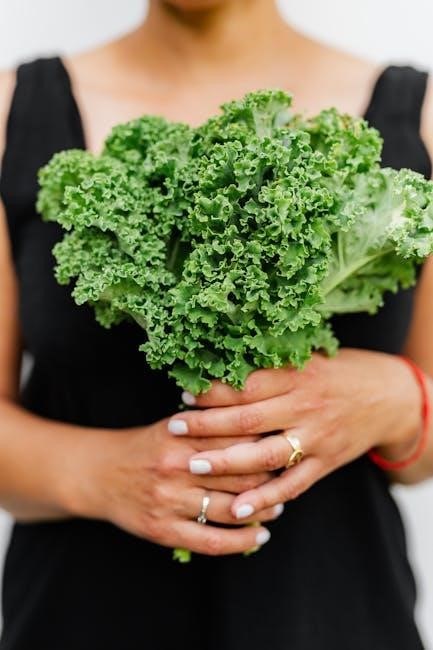
Green leafy vegetables, including spinach, kale, collard greens, and romaine lettuce, are nutritional powerhouses packed with vitamins, minerals, and antioxidants. These compounds work synergistically to combat inflammation throughout the body.
Rich in vitamins K, A, and C, alongside folate and fiber, these vegetables support immune function and protect cells from damage caused by free radicals.
Antioxidants like beta-carotene and lutein found in leafy greens help neutralize inflammatory triggers, promoting overall health and well-being.
Anti-inflammatory food lists in PDF format consistently highlight the importance of incorporating generous servings of these vegetables into your daily diet.
Aim for a variety of leafy greens to maximize nutrient intake and enjoy their diverse flavors and textures.
Embrace these vibrant additions for a naturally anti-inflammatory approach to eating.
Cruciferous Vegetables: Sulforaphane Benefits
Cruciferous vegetables – broccoli, cauliflower, Brussels sprouts, and cabbage – are celebrated for their unique compound, sulforaphane, a potent anti-inflammatory agent.

Sulforaphane activates the Nrf2 pathway, a critical cellular defense mechanism that reduces oxidative stress and inflammation. This pathway helps the body detoxify and protect against chronic diseases.
These vegetables are also excellent sources of vitamins C, E, and K, as well as fiber, further contributing to their health-promoting properties.
Anti-inflammatory food lists available in PDF format frequently emphasize the inclusion of cruciferous vegetables due to their exceptional benefits.
Steaming or lightly cooking these vegetables preserves sulforaphane content, maximizing their anti-inflammatory impact.
Regular consumption supports a robust immune system and overall well-being.
Nuts and Seeds: Healthy Fats & Minerals
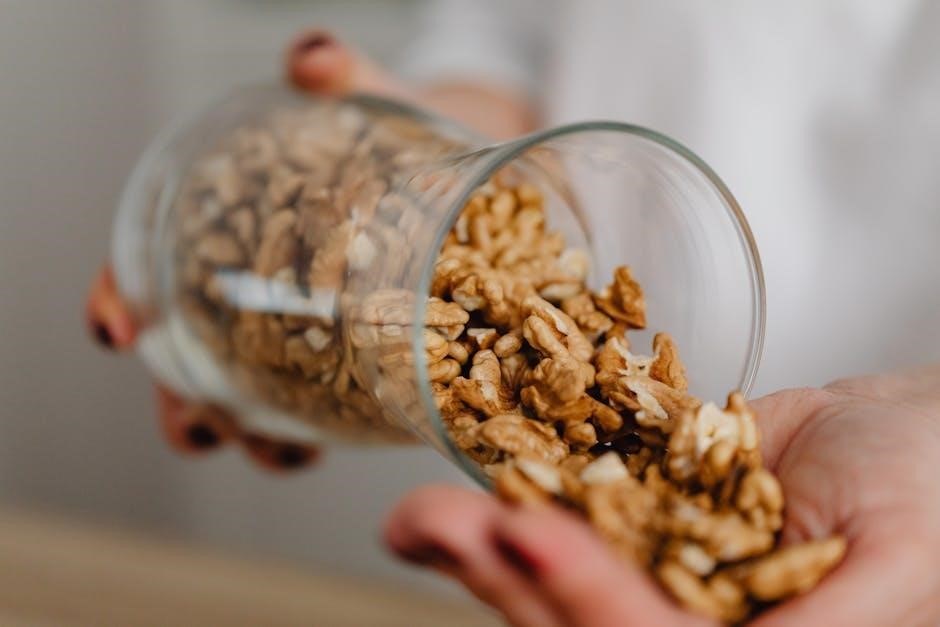
Nuts and seeds, such as almonds, walnuts, chia seeds, and flaxseeds, are nutritional powerhouses packed with healthy fats, particularly omega-3 fatty acids, which are renowned for their anti-inflammatory properties.
These beneficial fats help to balance the omega-6 to omega-3 ratio in the body, reducing inflammation. They also provide essential minerals like magnesium and selenium, vital for immune function.
Anti-inflammatory food lists in PDF format consistently highlight nuts and seeds as key components of a healthy diet.
Walnuts are particularly noteworthy due to their high alpha-linolenic acid (ALA) content, a plant-based omega-3.
Chia and flaxseeds offer a convenient way to boost omega-3 intake and fiber consumption, supporting gut health and reducing inflammation.
Enjoy them as snacks or incorporate them into meals for a delicious and health-boosting addition.

Specific Foods & Their Anti-Inflammatory Properties
Explore detailed PDF guides showcasing how foods like sweet potatoes, whole grains, olive oil, tomatoes, and dark chocolate combat inflammation effectively.
Discover their unique compounds and benefits for a healthier, less inflamed body through informed dietary choices.
Sweet Potatoes: Beta-Carotene & Vitamin A
Sweet potatoes are nutritional powerhouses, readily available and incredibly versatile in the kitchen, making them a cornerstone of any anti-inflammatory diet – often detailed in comprehensive PDF guides.
Their vibrant orange hue signals a high concentration of beta-carotene, a potent antioxidant that the body converts into Vitamin A. This conversion is crucial, as Vitamin A plays a vital role in supporting immune function and reducing inflammation throughout the body.
PDF resources frequently highlight sweet potatoes’ ability to combat chronic inflammation, a key factor in many modern diseases. Beyond beta-carotene, they also provide a good source of Vitamin C and fiber, further enhancing their anti-inflammatory properties and promoting gut health. Incorporating sweet potatoes regularly, as suggested in many dietary PDFs, can significantly contribute to a healthier, less inflamed state.
Consider roasting, steaming, or mashing them for optimal nutrient retention and enjoyment.
Whole Grains: Fiber & Gut Health
Whole grains, such as oats and whole-wheat bread, are frequently emphasized in PDF guides focused on anti-inflammatory diets due to their rich fiber content and positive impact on gut health.
Fiber isn’t directly anti-inflammatory, but it serves as crucial fuel for beneficial gut bacteria. A thriving gut microbiome is intrinsically linked to reduced systemic inflammation, as a healthy gut barrier prevents harmful substances from entering the bloodstream.
PDF resources often detail how whole grains contribute to a diverse and balanced gut microbiome, strengthening the immune system and lowering the risk of chronic diseases. Choosing whole grains over refined grains is a simple yet powerful step towards an anti-inflammatory lifestyle.
Look for options like quinoa, brown rice, and barley when consulting your anti-inflammatory food list PDF.

Olive Oil: Oleocanthal & Polyphenols
Extra virgin olive oil consistently appears as a cornerstone in anti-inflammatory PDF guides, largely due to its unique compounds – notably oleocanthal and a wealth of polyphenols.
Oleocanthal possesses similar anti-inflammatory properties to ibuprofen, a common pain reliever, naturally inhibiting inflammatory pathways within the body. Polyphenols, abundant in olive oil, act as potent antioxidants, neutralizing free radicals that contribute to inflammation and cellular damage.
PDF resources highlight the importance of choosing extra virgin olive oil, as processing can diminish these beneficial compounds. Incorporating it into your diet – as a salad dressing or cooking oil – is a flavorful way to reduce inflammation.
Consult your anti-inflammatory food list PDF for optimal usage guidelines and quality indicators.
Tomatoes: Lycopene’s Protective Effects
Tomatoes, frequently featured in anti-inflammatory food lists and accompanying PDF guides, owe their benefits primarily to lycopene, a powerful carotenoid with significant antioxidant capabilities.
Lycopene effectively combats free radicals, reducing oxidative stress and subsequent inflammation throughout the body. Research suggests lycopene may offer protection against certain chronic diseases linked to inflammation, such as heart disease and some cancers.
Interestingly, PDF resources often note that cooked tomatoes – like those found in sauces or pastes – provide a higher concentration of bioavailable lycopene than raw tomatoes.
Refer to your anti-inflammatory food list PDF for serving suggestions and optimal preparation methods to maximize lycopene absorption and its protective effects.
Dark Chocolate: Flavonoids & Antioxidants
Dark chocolate, a surprisingly welcome addition to many anti-inflammatory food lists and downloadable PDF guides, delivers potent health benefits thanks to its rich flavonoid content.
These flavonoids, particularly flavanols, act as powerful antioxidants, neutralizing free radicals and reducing inflammation within the body. Studies suggest dark chocolate consumption can improve blood flow and potentially lower blood pressure, contributing to cardiovascular health.
However, PDF resources emphasize the importance of choosing dark chocolate with a high cocoa percentage (70% or higher) and limited added sugar to maximize benefits.
Consult your anti-inflammatory food list PDF for recommended serving sizes and to ensure you’re selecting a quality dark chocolate option for optimal health support.
Creating an Anti-Inflammatory Meal Plan & PDF Resources
Utilize downloadable PDF resources and anti-inflammatory food lists to design personalized meal plans, prioritizing whole foods and minimizing pro-inflammatory ingredients.
Finding & Utilizing Anti-Inflammatory Food Lists (PDFs)
Numerous online resources offer comprehensive anti-inflammatory food lists in PDF format, simplifying meal planning and grocery shopping. These guides typically categorize foods based on their inflammatory or anti-inflammatory properties, providing a quick reference for informed dietary choices.
Searching for “anti-inflammatory food list PDF” yields a wealth of options from reputable health organizations, registered dietitians, and wellness websites. Look for lists that are evidence-based and regularly updated to reflect the latest scientific research, like the Dietary Inflammatory Index (DII).
When utilizing these PDFs, focus on incorporating a variety of colorful fruits and vegetables, fatty fish rich in omega-3s, and healthy fats like olive oil. Remember to prioritize whole, unprocessed foods and limit intake of pro-inflammatory culprits such as refined sugars, processed meats, and excessive alcohol. Download and print these lists for convenient access while meal prepping or at the grocery store, ensuring you consistently make choices that support a healthier, less inflamed body.
Practical Tips for Incorporating Anti-Inflammatory Foods
Start small by adding one or two anti-inflammatory foods to each meal. Swap refined grains for whole grains like oats or quinoa, and incorporate berries into your breakfast routine. Snack on a handful of nuts and seeds instead of processed snacks, and drizzle olive oil on salads and vegetables.
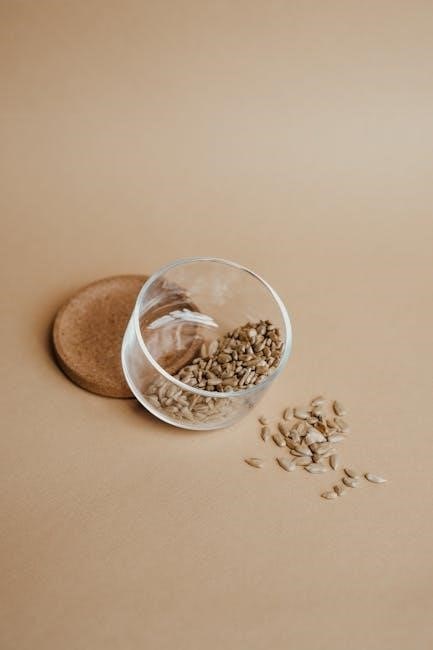
Prioritize fatty fish like salmon and mackerel at least twice a week, and aim to fill half your plate with green leafy vegetables. Experiment with cruciferous vegetables like broccoli and cauliflower, and enjoy the sweetness of sweet potatoes as a side dish. Utilize your downloaded PDF list as a shopping guide, focusing on vibrant, whole foods.
Remember that consistency is key; small, sustainable changes are more effective than drastic overhauls. Embrace a Mediterranean-style diet emphasizing plant-based foods and healthy fats for long-term anti-inflammatory benefits, improving overall health and well-being.
Foods to Avoid: Pro-Inflammatory Culprits
Minimize consumption of processed foods, sugary drinks, and refined carbohydrates like white bread and pastries, as these contribute significantly to inflammation. Reduce intake of red and processed meats, opting for leaner protein sources like fish or poultry instead. Limit your consumption of fried foods, which are often high in unhealthy fats.
Be mindful of excessive alcohol intake, as it can trigger inflammatory responses in the body. Avoid trans fats found in some processed foods and fast food items. Refer to your PDF anti-inflammatory food list to identify healthier alternatives. Recognize that individual sensitivities vary, so pay attention to how your body responds to different foods.
Prioritize whole, unprocessed foods to naturally reduce inflammation and support overall health. Remember that eliminating these culprits doesn’t mean deprivation, but rather a conscious choice for a healthier lifestyle.
Be the first to reply