
PAKA apparel, crafted from luxurious alpaca wool, demands mindful cleaning to maintain its quality and longevity; proper care ensures lasting comfort and performance.
What is PAKA Apparel?
PAKA Apparel is a Certified B Corp dedicated to creating exceptional natural apparel while prioritizing ethical and sustainable practices. The brand distinguishes itself by utilizing free-range alpaca fiber sourced directly from indigenous communities in the high Andes of Peru. This sourcing method ensures gentle shearing, akin to a haircut, causing no harm to the animals.
Furthermore, PAKA collaborates with skilled Quechua women artisans who meticulously knit and sew each garment, fostering economic empowerment and preserving traditional craftsmanship. PAKA aims to connect consumers with the origins of their clothing, emphasizing the materials, the makers, and the natural technology inherent in alpaca wool.
The Unique Properties of Alpaca Wool
Alpaca wool possesses remarkable natural qualities that contribute to PAKA apparel’s comfort and performance. Notably, it’s exceptionally soft, lightweight, and warmer than traditional sheep’s wool. A key benefit is its inherent odor resistance, reducing the frequency of washing needed – a significant advantage for active lifestyles and travel.
This fiber also boasts hypoallergenic properties and is naturally moisture-wicking, keeping the wearer dry and comfortable. Furthermore, alpaca wool is incredibly durable, ensuring longevity with proper care. These evolutionary adaptations make alpaca a superior natural fiber, forming the foundation of PAKA’s sustainable and high-quality clothing.
Understanding PAKA Washing Needs

PAKA’s alpaca wool requires gentle handling; frequent washing isn’t necessary due to its odor-resistant nature, but when cleaning, special attention is crucial for preservation.
Why Special Care is Required
PAKA apparel’s exceptional softness and performance stem from the unique properties of alpaca wool, making it different from conventional materials like cotton or synthetics. Unlike these, alpaca fibers possess a delicate structure that can be compromised by harsh washing methods. Aggressive detergents, high temperatures, and vigorous agitation can cause shrinkage, felting, and loss of the wool’s natural loft and insulating capabilities.
Furthermore, alpaca is a natural fiber, and treating it with respect ensures its longevity. While surprisingly durable, it lacks the resilience of some synthetic fibers. Therefore, prioritizing gentle cleaning practices is essential to preserve the integrity and luxurious feel of your PAKA garments, allowing you to enjoy their benefits for years to come.
The Benefits of Proper Washing
Employing the correct washing techniques for your PAKA apparel yields significant advantages, extending the life and preserving the inherent qualities of alpaca wool. Gentle washing maintains the fiber’s natural softness, ensuring continued comfort against your skin. Proper care also safeguards the wool’s exceptional thermal regulation properties, keeping you warm in cool weather and comfortably cool when it’s warmer.
Crucially, mindful washing preserves alpaca’s remarkable odor resistance, reducing the frequency of washes needed – a benefit highlighted by PAKA customers. By avoiding harsh treatments, you prevent shrinkage and maintain the garment’s original shape and size, maximizing your investment and enjoying lasting style.

Machine Washing PAKA Clothing
PAKA clothing can be machine washed using a delicate cycle and a mesh laundry bag, ensuring gentle handling and preserving the alpaca fibers’ integrity.
Using a Mesh Laundry Bag
Employing a mesh laundry bag is crucial when machine washing your PAKA apparel, acting as a protective barrier during the wash cycle. This simple step significantly minimizes friction between the delicate alpaca fibers and other garments or the washing machine drum itself. Reducing friction prevents potential pilling, snagging, and overall wear and tear, extending the lifespan of your cherished PAKA items.
Specifically, place each garment individually within its own mesh bag to maximize protection. This prevents items from twisting or tangling together, further lessening stress on the fibers. Consider it an investment in preserving the softness, shape, and luxurious feel of your alpaca wool clothing, ensuring it remains a comfortable and stylish staple in your wardrobe for years to come.
Selecting the Right Detergent
Choosing the appropriate detergent is paramount when caring for your PAKA alpaca wool clothing. Harsh chemicals and enzymes found in conventional detergents can strip the natural oils from the fibers, leading to shrinkage, stiffness, and a diminished softness. Opt for detergents specifically formulated for wool or delicate fabrics; these are pH-neutral and gentler on the alpaca fibers.
Avoid detergents containing bleach, brighteners, or fabric softeners, as these can damage the wool. A mild, liquid detergent is generally preferred over powdered detergents, as powders may not dissolve completely and can leave residue. Always use the recommended amount of detergent, as excessive suds can be difficult to rinse out and may compromise the wool’s natural properties.
Detergents for Wool and Delicates
Several excellent detergents cater specifically to wool and delicate fabrics, making them ideal for PAKA alpaca apparel. Brands like Woolite, Eucalan, and The Laundress offer formulations designed to preserve the natural softness and integrity of wool fibers. Eucalan is a popular choice, being a no-rinse formula that conditions the wool while cleaning.
Look for detergents labeled “pH neutral” or “enzyme-free” to ensure they won’t harm the alpaca. Some individuals even opt for baby shampoo as a gentle alternative. Regardless of the brand, always test a small, inconspicuous area of the garment first to confirm compatibility and prevent any adverse reactions.
Water Temperature Considerations
Maintaining the correct water temperature is crucial when washing PAKA alpaca clothing. Hot water can cause the fibers to shrink and felt, irrevocably damaging the garment’s shape and size. Therefore, always prioritize cold or cool water for washing. While some sources suggest cool water is acceptable, erring on the side of caution with cold water is generally recommended, especially for the first few washes.
Cold water effectively cleans the alpaca fibers without the risk of shrinkage or color fading. It also helps preserve the natural oils within the wool, contributing to its softness and odor-resistant properties.
Cold Water vs. Cool Water
When considering water temperature for your PAKA alpaca apparel, understanding the nuance between cold and cool is beneficial. While both are preferable to hot water, cold water (typically below 65°F or 18°C) offers the safest option, minimizing shrinkage risk. Cool water, generally between 65-75°F (18-24°C), can be used, but requires careful monitoring.
For initial washes, or if you’re unsure about your washing machine’s temperature accuracy, consistently choose cold water. This proactive approach safeguards the delicate alpaca fibers. Cool water may be suitable for subsequent washes once you’ve confirmed the garment’s reaction, but always prioritize cold for optimal preservation.
Wash Cycle Selection
Choosing the correct wash cycle is crucial for preserving the integrity of your PAKA alpaca clothing. Avoid standard or permanent press cycles, as these utilize harsher agitation that can damage the delicate fibers. Instead, prioritize a gentle approach. A dedicated “delicate” or “hand wash” cycle is highly recommended, offering a slower spin speed and reduced agitation.
These cycles mimic the gentle handling of hand washing, minimizing stress on the alpaca wool. Always double-check your washing machine’s settings to ensure the selected cycle aligns with delicate fabric care. Proper cycle selection significantly contributes to preventing shrinkage and maintaining the softness of your PAKA apparel.
Delicate Cycle Recommendation
When utilizing the delicate cycle, always remember to place your PAKA garments inside a mesh laundry bag for added protection. This prevents direct friction against the washing machine drum, further minimizing potential damage or pilling. Select a cool or cold water temperature alongside a gentle spin speed – the lowest available is ideal.
Ensure the wash cycle duration is kept relatively short. A longer cycle doesn’t necessarily equate to cleaner clothes and can actually increase the risk of fiber breakdown. Following these guidelines within the delicate cycle will help maintain the luxurious feel and shape of your alpaca apparel for years to come.
Hand Washing PAKA Clothing
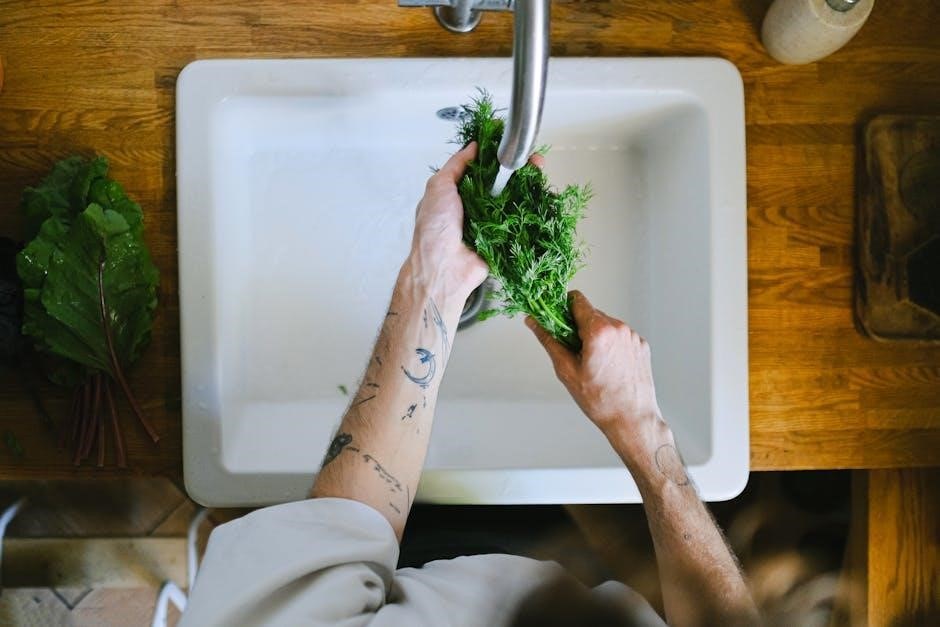
For gentle cleaning, hand washing PAKA apparel in cold water with a mild detergent is recommended, preserving the delicate alpaca fibers’ natural qualities.
Preparing for Hand Washing
Before initiating the hand washing process, several preparatory steps are crucial for optimal results and to protect your PAKA apparel. Begin by turning the garment inside out; this minimizes abrasion and potential pilling during washing. Next, select a clean basin or sink and fill it with cool or cold water – avoid warm or hot water, as it can cause shrinkage.
Choose a detergent specifically formulated for wool or delicate fabrics; harsh chemicals can damage the alpaca fibers. Dissolve the detergent completely in the water before adding your PAKA clothing. Gently inspect the garment for any stains or particularly soiled areas, addressing them with a delicate touch before full immersion. Ensure the basin is spacious enough to allow the item to move freely during washing, preventing excessive friction.
The Hand Washing Process
Once prepared, gently submerge your PAKA garment into the soapy water, ensuring it’s fully saturated. Avoid vigorous scrubbing or twisting; instead, employ a gentle squeezing motion to work the detergent through the fibers. Allow the item to soak for approximately 10-15 minutes – this allows the detergent to effectively cleanse without causing undue stress to the alpaca wool.
Periodically, gently agitate the water to encourage thorough cleaning. Refrain from rubbing the fabric against itself, as this can lead to felting or distortion. Pay particular attention to areas prone to soiling, like underarms or collars, using a delicate touch. Throughout the process, maintain a calm and patient approach, prioritizing the preservation of the garment’s natural softness and shape.
Rinsing PAKA Clothing

After soaking, carefully remove the PAKA garment from the soapy water, avoiding any harsh squeezing. Begin rinsing with cool, clean water, repeating the process until all traces of detergent are completely gone. Gently press the water out – never wring – as wringing can damage the delicate alpaca fibers. Continue rinsing and pressing until the water runs clear, indicating thorough removal of the cleaning agent.
A final rinse with a small amount of fabric softener (specifically designed for wool) can help restore softness, but is optional. Ensure the softener is fully rinsed out as well. Proper rinsing is crucial to prevent skin irritation and maintain the garment’s luxurious feel.
Drying PAKA Apparel
PAKA apparel benefits from gentle drying methods; air drying flat is ideal, though a low or air-only tumble dry setting is acceptable for convenience.
Air Drying Methods
PAKA apparel truly thrives when air-dried, preserving the delicate nature of the alpaca fibers and preventing potential shrinkage. Laying garments flat is the most recommended approach, ensuring even drying and maintaining their original shape. Avoid hanging, as wet alpaca can stretch considerably under its own weight.
Find a clean, flat surface – a drying rack or a clean towel-covered table works wonderfully. Gently reshape the garment to its original form, smoothing out any wrinkles. Ensure good air circulation in the room to expedite the drying process.
While air drying takes longer than machine drying, it’s the gentlest method and significantly extends the life of your PAKA clothing, keeping it soft and comfortable for years to come.
Laying Flat to Dry
Laying flat to dry is paramount for preserving the shape and integrity of your PAKA alpaca apparel. Begin by gently pressing out excess water – avoid wringing or twisting, as this can damage the fibers. Then, transfer the garment to a clean, dry surface, ideally a mesh drying rack or a towel-laid flat space.
Reshape the item to its original dimensions, paying attention to sleeves, shoulders, and the overall silhouette. Ensure the garment is lying completely flat, without any folds or creases that could create permanent lines.
Good air circulation is key; position the drying garment in a well-ventilated area, away from direct heat or sunlight. This method minimizes stretching and maintains the luxurious softness of the alpaca wool.
Tumble Drying (Low/Air Setting)
While air drying is preferred, PAKA apparel can be tumble dried, but only with extreme caution. Utilize the lowest heat setting – ideally an “air fluff” or “no heat” cycle – to minimize the risk of shrinkage or fiber damage. High heat will irrevocably alter the alpaca’s natural properties.
Before placing the garment in the dryer, ensure all excess water has been gently removed. Consider using wool dryer balls to aid in softening and fluffing, while reducing drying time.
Regularly check the garment’s dryness; remove it promptly once it’s slightly damp to finish air drying, preventing overexposure to heat.
Avoiding Direct Sunlight
Direct sunlight exposure can significantly harm PAKA alpaca apparel, causing colors to fade and fibers to become brittle over time. While air drying is recommended, always choose a shaded area, indoors preferably, away from harsh UV rays. A well-ventilated room is ideal for promoting efficient drying without compromising the garment’s integrity.
If outdoor drying is unavoidable, hang the clothing on a clothesline in a covered porch or under the shade of trees.
Remember, prolonged sun exposure weakens the alpaca fibers, diminishing the softness and overall lifespan of your cherished PAKA pieces.

Specific Garment Washing Instructions
PAKA hoodies, socks, and sweaters benefit from gentle washing; use a mesh bag, cool water, and wool-specific detergent for optimal results and longevity.
PAKA Hoodies ౼ Washing Guidelines
PAKA hoodies, celebrated for their comfort and odor resistance, require careful washing to preserve their exceptional qualities. We recommend placing your hoodie inside a mesh laundry bag before machine washing; this protects the delicate alpaca fibers from abrasion and potential damage during the wash cycle.
Always use a mild detergent specifically formulated for wool or delicate fabrics. Avoid harsh chemicals, bleach, or fabric softeners, as these can strip the natural oils from the alpaca wool. Wash on a cool or cold water setting to minimize the risk of shrinkage.
After washing, lay the hoodie flat to air dry, reshaping it as needed. Alternatively, you can tumble dry on a low or air-only setting. Avoid direct sunlight, which can fade the colors. Frequent washing isn’t necessary due to alpaca’s natural properties!
PAKA Socks ⏤ Washing Guidelines
PAKA socks, renowned for their softness and breathability, benefit from gentle washing practices to maintain their superior comfort and performance. Before washing, turn your socks inside out – this helps protect the fibers and preserve their shape. Machine washing is perfectly acceptable, but always utilize a mild detergent designed for wool or delicate items.
Avoid harsh chemicals, bleach, and fabric softeners, as these can compromise the alpaca’s natural properties. Select a cold water setting for washing and either lay the socks flat to dry or tumble dry on a cold/air setting.
Drying on low heat is also suitable; Remember, due to alpaca’s inherent odor resistance, frequent washing isn’t required!
PAKA Sweaters ⏤ Washing Guidelines
PAKA sweaters, prized for their warmth and elegant style, require careful attention during washing to preserve their beautiful texture and shape. For optimal care, we recommend washing your sweater inside a mesh laundry bag to shield it from potential snags or abrasion during the machine wash cycle.
Utilize a detergent specifically formulated for wool or delicate fabrics, avoiding harsh chemicals or bleach. Select a cool or cold water temperature and a delicate wash cycle.
After washing, gently reshape the sweater and lay it flat to air dry, avoiding direct sunlight or heat.
Addressing Common Concerns
PAKA’s odor resistance minimizes washing frequency, while gentle care—cold water, delicate cycles, and air drying—prevents shrinkage and reduces potential pilling issues.
Preventing Shrinkage
Alpaca wool, while incredibly soft and durable, can be susceptible to shrinkage if not washed correctly. To safeguard your PAKA apparel, always opt for cold water when machine washing, as warmer temperatures can cause the fibers to tighten and shrink.
Employing a delicate wash cycle is also crucial, minimizing agitation that contributes to fiber disruption. Avoid hot water at all costs, and when in doubt, hand washing provides the gentlest cleaning method.
Furthermore, resist the urge to tumble dry on high heat; instead, utilize a low or air-only setting, or preferably, lay your garments flat to dry. Following these precautions will help preserve the original size and shape of your cherished PAKA pieces.
Maintaining Odor Resistance
One of the remarkable benefits of PAKA apparel is its inherent odor resistance, stemming from the unique properties of alpaca fiber. However, to maximize this feature and reduce washing frequency, avoid harsh detergents and fabric softeners, as these can diminish the natural benefits.
Washing only when necessary – rather than after every wear – helps preserve the alpaca’s natural oils that contribute to odor control.
Airing out your garments between wears can also refresh them. When washing, a mild detergent specifically designed for wool or delicates will maintain the fiber’s integrity and odor-fighting capabilities, ensuring your PAKA clothing stays fresh longer.
Dealing with Pilling
While alpaca fiber is naturally smooth, some pilling may occur with PAKA apparel, especially in areas of high friction. This is a normal characteristic of natural fibers and doesn’t indicate a defect. To minimize pilling, wash garments inside out in a mesh laundry bag, using a gentle cycle and cool water.
Avoid excessive agitation during washing.
If pilling does occur, resist the urge to pull at pills, as this can damage the fabric. Instead, use a sweater comb or fabric shaver to carefully remove them, restoring your PAKA garment’s smooth appearance and extending its lifespan.

Long-Term Care and Storage
PAKA clothing benefits from careful storage; fold or gently hang items, avoiding overcrowding, to preserve their shape and the alpaca fiber’s natural qualities.
Storing PAKA Clothing
Proper storage is crucial for maintaining the integrity of your PAKA alpaca apparel between wears. To best preserve the fibers, avoid hanging heavier knit items like sweaters, as this can stretch them out of shape over time. Instead, gently fold your PAKA garments and store them in a cool, dry place, away from direct sunlight.
Consider using cedar blocks or lavender sachets within your storage space; these natural repellents help deter moths and other pests that might damage the delicate alpaca wool. Avoid storing your PAKA clothing in plastic bags, as they can trap moisture and lead to mildew. Breathable cotton garment bags are an excellent alternative, allowing air circulation while protecting your investment.
Extending the Life of Your PAKA Apparel
To maximize the lifespan of your cherished PAKA alpaca clothing, minimize washing frequency due to the fiber’s natural odor-resistant properties – often, airing out garments is sufficient! When washing is necessary, always follow the recommended care instructions: gentle cycles, mild detergents designed for wool, and cool water temperatures.
Avoid harsh chemicals like bleach or fabric softeners, as these can damage the delicate alpaca fibers. Careful drying is equally important; lay flat to dry or tumble dry on an air/low setting. Promptly address any minor repairs, like loose buttons, to prevent further damage. With mindful care, your PAKA pieces will provide years of cozy comfort.

PAKA’s Ethical and Sustainable Practices
PAKA prioritizes free-range alpaca herding by indigenous communities and collaborates with Quechua artisans, ensuring ethical sourcing and mindful production practices.
Alpaca Sourcing
PAKA’s commitment begins with the gentle annual shearing of free-range alpacas, akin to a haircut, ensuring no harm to these magnificent animals. These alpacas reside in the high Andes, carefully herded by indigenous communities who maintain traditional, sustainable practices. This sourcing method directly supports these communities, fostering economic empowerment and preserving their cultural heritage.
The alpaca fiber itself is a naturally renewable resource, requiring significantly less water and land compared to conventional materials like cotton. PAKA actively champions this eco-friendly approach, minimizing its environmental footprint throughout the entire supply chain. By prioritizing responsible alpaca sourcing, PAKA delivers exceptional apparel while upholding ethical and sustainable values.
Artisan Partnerships
PAKA collaborates closely with a dedicated team of Quechua women artisans in Peru, recognizing and valuing their incredible skill and ancestral knowledge. These artisans meticulously knit and sew each garment, transforming the raw alpaca fiber into beautifully crafted apparel. This partnership isn’t merely transactional; it’s built on fair wages, safe working conditions, and mutual respect.
By empowering these women and preserving their traditional techniques, PAKA contributes to the economic well-being of their communities and safeguards a valuable cultural heritage. Each PAKA piece embodies the artistry and dedication of these skilled craftswomen, connecting customers directly to the origin of their clothing.

Be the first to reply